Resources

This page brings together information on four different conditions that I have personally navigated on my journey: cytolytic vaginosis, urinary tract infection (UTI), hypertonic pelvic floor (pelvic floor muscle tension), and neuroplastic pain.

Below, you’ll find brief overviews of what each condition feels like, the diagnostic tests that can help bring clarity, and some of the treatment options. Please remember that this is just a quick map of possibilities – every body is different, and every healing journey is uniquely its own.

My hope is that sharing what I’ve learned brings you a bit of clarity, and a gentle direction on where to take your next steps.

  • Symptoms, diagnostic tests and treatment information on the topics I’ve been dealing with:

01

Cytolytic Vaginosis

Cytolytic vaginosis (CV) is a condition characterized by an overgrowth of Lactobacillus bacteria in the vagina, which leads to excessive lactic acid production, an overly acidic pH environment, and the breakdown (lysis) of vaginal epithelial cells.

SYMPTOMS

In my case, these include:

  • Intense burning and stinging sensations: Sometimes I feel it deep inside, other times more around the vulva area—and occasionally both at the same time. The intensity fluctuates constantly, sometimes becoming so overwhelming that it interferes with daily life. My symptoms almost always get significantly worse up to a week before my period starts, feel much better during menstruation, and worsen again once my period ends.
  • Painful urination (dysuria): Urinating has almost always been burning and uncomfortable throughout this entire period, sometimes making me feel worse for hours afterward. However, there have been times when it didn’t seem to affect me, and I can’t always tell what makes the difference. Drinking enough water so that my urine is less concentrated definitely helps.
  • Thick, trapped discharge: There were several months when I didn’t seem to have any discharge at all. Eventually, I realized it was simply so thick that it couldn’t flow out naturally. During one gynecological exam, the doctor even suspected a Candida yeast infection because of this appearance, but the test came back negative. In reality, thick, clumpy discharge is a classic symptom of cytolytic vaginosis (which my doctor didn’t think to suggest at the time).
  • Painful intercourse and post-sex flare-ups: Unfortunately, sex with cytolytic vaginosis is painful for me. While psychological factors and pelvic floor muscle tension definitely play a role here, CV itself causes a distinct burning sensation during sex. Sometimes it’s barely noticeable, but other times it’s quite intense. Almost every time, the burning and stinging get worse for a few days after intercourse.

Other possible symptoms: Itching (pruritus) and pale yellow or watery discharge.

DIAGNOSTIC TESTS that help confirm a cytolytic vaginosis diagnosis:

  • Vaginal wet mount / Microbiological smear: Shows which bacterial flora dominates. A Lactobacillus level of 5++ (high concentration) indicates a significant overgrowth. However, this alone is not enough to confirm a CV diagnosis.
  • Cell lysis evaluation (microscopic examination): Shows whether cell lysis (cytolysis) is occurring—specifically, looking for damaged, fragmented, or “naked” epithelial cell nuclei caused by the over-acidic environment, as well as an absence of white blood cells (leukocytes) or other pathogens.
  • pH testing: While over-the-counter pH strips aren’t always considered entirely reliable, they can provide some insight into whether the vaginal environment is overly acidic. The optimal vaginal pH range is between 4.0 and 4.5. With cytolytic vaginosis, the pH typically drops below 4.0.

TREATMENT:

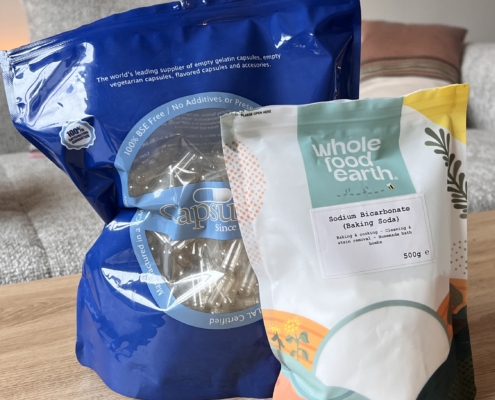
Unfortunately, very little research has been conducted on cytolytic vaginosis, and the exact root cause of Lactobacillus overgrowth remains unknown. Currently, the primary treatment focuses on using baking soda (sodium bicarbonate) to raise the vaginal pH to a more alkaline level.

Common methods include:

  • Sitz baths: Not considered the most effective method, but seems to provide relief for some women.
  • Baking soda douches: Carries a high risk of disrupting the vaginal microbiome balance further, causing severe dryness, or triggering urinary tract infections (UTIs).
  • Baking soda vaginal suppositories: Works well for many women and carries lower risks compared to douching. You have to make your own as they are not sold anywhere.

DIY soda suppositories:

https://www.serenityph.com.au/post/cytolytic-vaginosis-cv-suppositories?srsltid=AU7gw4WH7Wj4VlKozYK_x6eFzDcWTl-SPJ7qikhgsv_YnuAV1T_cbgGU

Avoiding Probiotic and Fermented Foods and Supplements

Since cytolytic vaginosis (CV) is caused by an overgrowth of Lactobacillus species, it is crucial to avoid taking probiotic supplements, as well as consuming fermented foods and drinks (such as kefir, yogurt, sauerkraut, kimchi, and kombucha).

02

Urinary Tract Infection (UTI) / Cystitis

A urinary tract infection can be caused by various bacteria, but the most common culprit is E. coli. E. coli naturally lives in our digestive tract, but due to female anatomy, it can easily enter the urinary tract and cause inflammation.

SYMPTOMS:

My symptoms (since I had cytolytic vaginosis at the same time, my case was quite different from the usual UTI presentation):

  • Constant burning and stinging sensation: At times, this became extremely painful and unbearable.
  • Very painful urination (dysuria): Especially at the very end of peeing.
  • A tickling, nervous sensation in the bladder: A persistent, uncomfortable nerve-like sensitivity.
  • Incomplete bladder emptying: Feeling like I couldn’t empty my bladder completely. Sometimes I had to sit on the toilet for a very long time just to get the last drop out, but even that didn’t always bring relief.

Other possible symptoms: Frequent urge to urinate (urgency), cloudy or strong-smelling urine, pelvic pressure or lower abdominal pain, visible blood in the urine (hematuria), and low-grade fever or chills.

Tests for Diagnosing a UTI:

  1. Urine Culture (Microbiological Culture & Sensitivity Test): A full urine culture is always necessary! A simple dipstick test is not fully reliable; even if the dipstick is negative, an active infection can still be present. A culture is essential to identify the specific strain of bacteria causing the infection and to run an antibiogram, ensuring the correct antibiotic is prescribed.
  2. Urinalysis & Urine Microscopy (Sediment Analysis):
    – Dipstick Test: Checks for positive nitrites and leukocyte esterase (white blood cells). However, both parameters can read normal while an active infection exists. Throughout my months-long battle with a UTI, my urine leukocytes were never elevated once on standard tests.
    – Urine Sediment Analysis (Microscopy): Evaluates centrifuged urine under a microscope to count white blood cells (pyuria), red blood cells (microscopic hematuria), bacteria, epithelial cells, and urinary casts or crystals. This helps rule out kidney involvement or bladder stones.
  3. PCR / STI Panel for Atypical Pathogens: If a standard urine culture comes back negative (“no growth”) but UTI symptoms persist, it is crucial to test for fastidious or atypical organisms via PCR (such as Mycoplasma hominis, Mycoplasma genitalium, Ureaplasma urealyticum, and Chlamydia trachomatis). These bacteria do not grow on standard culture plates but frequently cause urethritis and chronic bladder irritation.
  4. Further Imaging (For Chronic or Recurrent Cases):
    – Renal and Pelvic Ultrasound: To rule out structural abnormalities, kidney stones, or incomplete bladder emptying (post-void residual volume measurement).

Additional Blood Tests to Check for Systemic Inflammation:

  • CRP (C-Reactive Protein): To check for active systemic inflammation in the body.
  • CBC (Complete Blood Count): To evaluate overall white blood cell counts and immune response.

Key Vitamins and Minerals to Monitor (for immune health and bladder mucosal support):

  • Vitamin D3: Crucial for mucosal immunity and fighting off recurrent urinary infections. Research shows a direct link between low vitamin D levels and frequent UTIs.
  • Vitamin C: Helps acidify urine slightly to inhibit bacterial growth (note: use with caution during active cytolytic vaginosis flares, as over-acidification can exacerbate CV symptoms).
  • Zinc: Supports tissue healing, cell repair, and immune system response.
  • B-Complex Vitamins: Essential for overall nerve function, tissue maintenance, and managing pelvic nerve pain.

TREATMENT:

For mild cases of urinary tract infections (UTIs), drinking plenty of fluids alone may be sufficient to flush out the bacteria. While cranberry tea is frequently recommended, scientific studies regarding its actual effectiveness remain quite controversial and mixed. However, pharmacy shelves are stocked with numerous cranberry extract supplements, which many women find helpful in managing early symptoms.

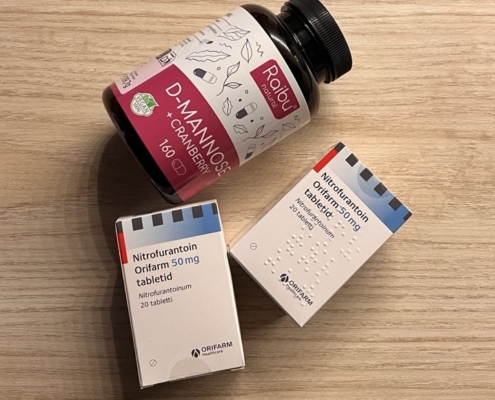
D-Mannose is a naturally occurring simple sugar (a monosaccharide closely related to glucose) that works by preventing bacteria—specifically E. coli—from adhering to the walls of the urinary tract. The pili (tiny hair-like projections) on E. coli bacteria bind directly to D-mannose molecules in the urine instead of attaching to the bladder lining, allowing the bacteria to be safely flushed out during urination. A substantial body of clinical evidence supports D-mannose as an effective non-antibiotic strategy for both treating acute uncomplicated UTIs and preventing recurrent infections.

In many cases, a targeted course of antibiotics matched to the specific bacteria identified in the urine culture is necessary. The most commonly prescribed first-line antibiotics for uncomplicated UTIs include:

  • Nitrofurantoin (e.g., Macrodantin, Furadantin): A primary first-line choice for acute lower urinary tract infections that specifically targets bladder tissue while sparing most intestinal flora.
  • Fosfomycin trometamol (e.g., Monural): Often prescribed as a single-dose powder treatment for uncomplicated cystitis due to its convenience and effectiveness against resistant E. coli strains.
  • Trimethoprim / Sulfamethoxazole (TMP-SMX, e.g., Bactrim, Septra): A combination therapy that inhibits bacterial folic acid synthesis, widely used when local bacterial resistance levels permit.
  • Pivmecillinam: A specialized penicillin-type antibiotic widely used in Scandinavian and Nordic regions as a first-line therapy for acute cystitis.
  • Fluoroquinolones (e.g., Ciprofloxacin, Levofloxacin) or Cephalosporins (e.g., Cefalexin): Reserve antibiotics typically used for complicated UTIs, upper urinary tract infections (kidney infections/pyelonephritis), or when first-line options are unsuitable based on culture sensitivity reports.


03

Hypertonic Pelvic Floor (Pelvic Floor Muscle Tension)

A hypertonic pelvic floor occurs when the muscles in the pelvic bowl are unable to relax and remain in a state of chronic contraction or spasm. This can closely mimic the symptoms of recurrent UTIs, yeast infections, or cytolytic vaginosis.

SYMPTOMS:

  • Vulvar Pain: Persistent burning, aching, or throbbing sensations in the vulva, vagina, perineum, or lower abdomen that worsen after sitting for long periods.
  • Painful Intercourse (Dyspareunia): Sharp or burning pain during or after penetration, often felt at the vaginal entrance or deep in the pelvis.
  • Urinary Frequency & Hesitancy: Feeling a constant urge to urinate, difficulty starting the urine stream, weak flow, or needing to strain to empty the bladder completely.
  • Painful Urination: A burning sensation during or immediately after peeing that is caused by tight muscles compressing the urethra rather than an active bacterial infection.
  • Bowel Symptoms: Constipation, straining during bowel movements, or pain during/after a bowel movement.
  • Post-Sex Flare-ups: Increased burning, stinging, or muscle spasms that last for hours or days after sexual activity.

DIAGNOSIS

A specialized pelvic floor physical therapist can confirm or rule out this diagnosis. During the evaluation, the therapist will perform:

  1. External Assessment: Checking overall posture, hip and lumbar spine mobility, breathing patterns, and palpating external trigger points around the abdomen, hips, glutes, and inner thighs.
  2. Internal Examination (Vaginal or Rectal Palpation): Assessing the tone, flexibility, strength, and endurance of individual pelvic floor muscles using a single gloved finger. The therapist identifies specific hypertonic trigger points, checks for muscle spasms, and measures your ability to voluntarily contract and fully relax the pelvic floor muscles.
  3. Biofeedback Evaluation (Optional): Using surface sensors to visually measure muscle activity at rest and assess whether the pelvic floor can properly release tension.

TREATMENT

  • Follow a Physical Therapy Plan: Consistently execute the home exercise program prescribed by your pelvic floor therapist. (Avoid standard Kegel exercises unless specifically instructed, as contracting tight muscles exacerbates pain).
  • Diaphragmatic Breathing (Belly Breathing): Inhaling deeply into the abdomen allows the diaphragm to move downward, helping the pelvic floor naturally drop and lengthen.
  • Pelvic Floor Release Stretches: Gentle poses—such as Happy Baby, Child’s Pose, Deep Squats (Malasana), and Reclined Bound Angle Pose—help relieve surrounding muscle tension.

    Guided Resources: YouTube offers helpful follow-along routines. Effective search terms include:

    – “Hypertonic pelvic floor release stretches”
    – “Pelvic floor relaxation routine for pelvic pain”
    – “Diaphragmatic breathing for pelvic floor dysfunction”

  • Nervous System Regulation & Heat: Lowering overall “fight-or-flight” stress responses through mindfulness, gentle movement, and warm baths or heating §pads can soothe nerve sensitivity and relax chronic muscle spasms.

04

Neuroplastic Pain

Neuroplastic pain is something many people have never heard of, yet almost everyone encounters it at some point in their lives.

Neuroplastic pain (also known as central sensitization, nociplastic pain, or mind-body pain) is defined as pain that originates from changes in the central nervous system rather than from ongoing tissue damage, structural injury, or active inflammation in the body.

HOW IT WORKS:

  • Misinterpreted Signals: The brain misinterprets harmless normal sensory signals from the body as dangerous or threatening. In essence, the brain’s “alarm system” becomes hypersensitive and stays stuck in a high-alert “fight-or-flight” mode.
  • Real, Physical Pain: Even though the pain is generated by neural pathways in the brain, the pain itself is 100% real—it is not “imagined” or “all in your head.”
  • Chronicity & Conditioning: The longer a pain signal persists—often triggered by prolonged physical stress, tissue injury that has already healed, or emotional distress—the more deeply ingrained those neural pathways become. The brain effectively “learns” the pain pattern, making it recur even without an active physical cause.

CHARACTERISTICS

  • Symptom Spreading or Shifting: Pain that moves around different locations in the body or fluctuates unpredictably in intensity.
  • Disproportionate Flares: Symptoms triggered or severely heightened by emotional stress, anxiety, fatigue, or fear of pain itself.
  • Lack of Structural Cause: Pain that persists long after injured tissues have fully healed, or symptoms that don’t match diagnostic imaging (e.g., MRIs or ultrasounds showing no active damage).

TREATMENT

  • Pain Reprocessing Therapy (PRT): A scientifically proven psychological approach that helps the brain relearn to interpret body signals accurately as safe, breaking the fear-pain cycle.
  • Somatic Tracking: Practicing mindful observation of painful sensations with an attitude of safety, curiosity, and neutrality rather than panic or fear.
  • Nervous System Regulation: Down-regulating the autonomic nervous system through deep breathing, somatic exercises, gentle movement, and reducing stress to signal safety to the brain.

Recommended Reading

  • “The Way Out” — Alan Gordon & Alon Ziv
  • “The Painful Truth: The New Science of Why We Hurt and How We Can Heal” — Monty Lyman
  • “The Pain-Free Mindset: 7 Steps to Taking Control and Overcoming Chronic Pain” — Dr Deepak Ravindran
  • “Meditation for Fidgety Skeptics” — Dan Harris
  • “Wherever You Go, There You Are” — Jon Kabat-Zinn
  • “The Emotional Life of Your Brain” — Richard J. Davidson & Sharon Begley

Apps & Podcasts

  • Curable – an app designed to help people with chronic pain.
  • Balance – a mindfulness and meditation app.
  • Headspace – a mindfulness and meditation app.
  • Tell Me About Your Pain (podcast)
  • Like Mind, Like Body (podcast)

My story so far..

Chapter 1

ChatGPT is Not a Doctor – duh!

Driven by my stubborn “good girl” mindset and ChatGPT’s false promises, I spent months misinterpreting my body’s signals—only to realize I was blindly fighting two separate conditions at once.

Chapter 2

The Worst Time of My Life

From dismissive doctors and failed treatments to the overwhelming anxiety and fear that consumed my life, this is the story of hitting rock bottom.

Chapter 3

A New Perspective on Pain

Shifting my mindset around pain and learning to listen to my body changed everything, but the real breakthrough came when I stopped chasing quick fixes and let my cycle reveal the truth.

Chapter 4

Say Hello to My New Friend, Cytolytic Vaginosis

Finally getting official confirmation that my original self-diagnosis was right brought both confusion and an immense sense of relief

I’ve decided that all the crap I’ve been through—and am still dealing with to some extent—is meant to help me share my story with women all over the world.